A Low-Stress Grocery List for Balanced, Protein-Friendly Meals
Stock versatile ingredients that make everyday cooking easier without turning shopping into a spreadsheet.
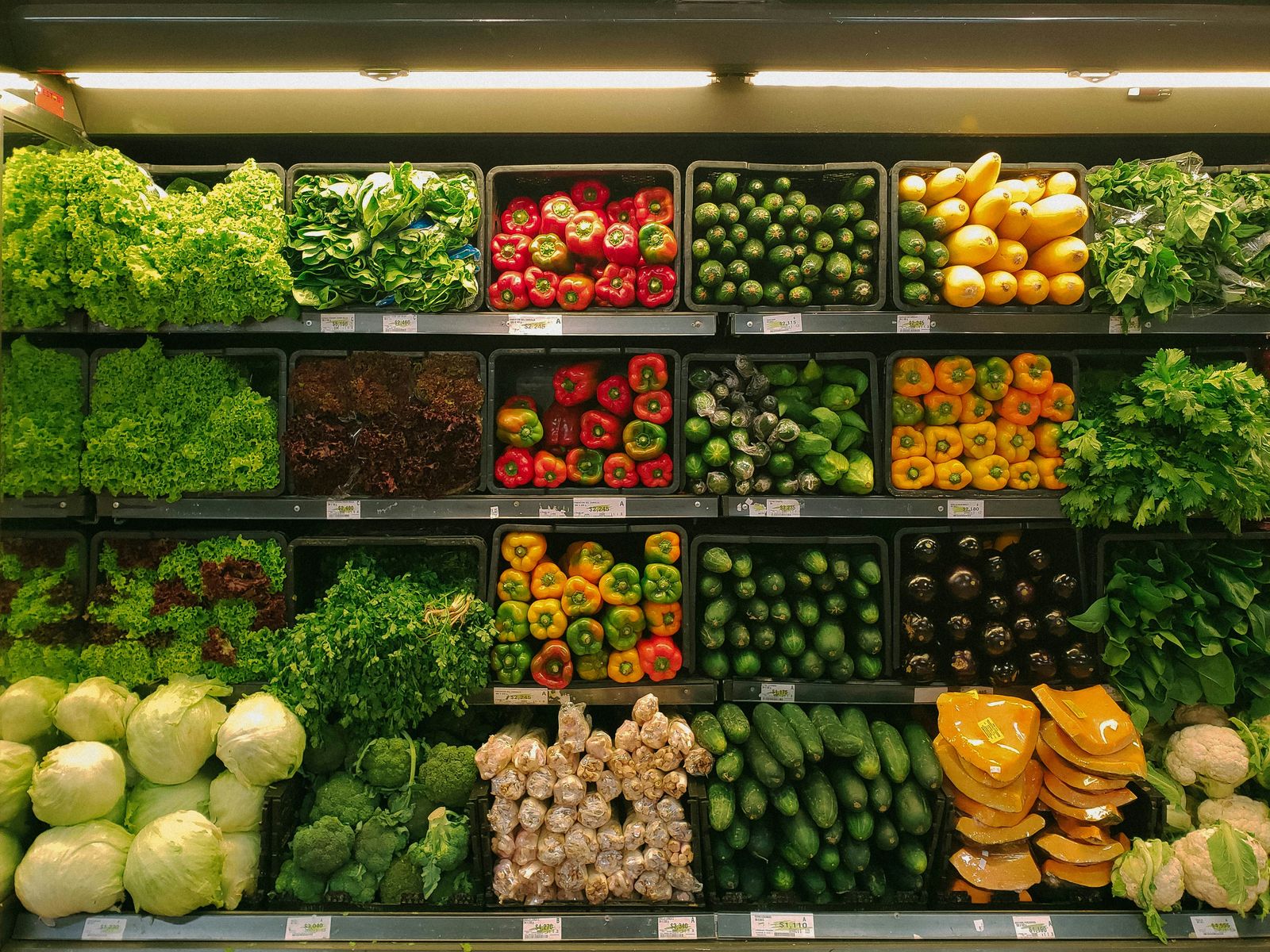
Shop for flexible building blocks
A useful grocery list is not a list of expensive 'superfoods.' It is a mix of ingredients you can combine in several ways. Choose what suits your budget, culture, preferences and kitchen.
Protein options
Pick two or three: eggs, canned beans, lentils, plain yogurt, tofu, canned fish or poultry. Frozen options can be just as practical as fresh ones. Protein content varies by product and portion, so use package labels or USDA FoodData Central if you need an estimate.
Add produce and carbohydrates
Choose a few vegetables, a couple of fruits, and satisfying starches such as potatoes, oats, rice, tortillas or whole-grain bread. Frozen vegetables and canned tomatoes make weeknight meals faster.
Flavor matters
Olive oil, herbs, garlic, salsa, lemon, nuts and seeds can turn the same ingredients into different meals. A meal you enjoy is easier to repeat.
Three mix-and-match dinners
Try bean tacos with cabbage and avocado; tofu and frozen vegetables over rice; or baked fish with potatoes and broccoli. Leftovers can become lunch the next day.
How to do it
Before shopping, plan three dinners, not twenty-one perfect meals. Buy enough for those, plus one easy backup such as canned beans and frozen vegetables.
How this looks on an ordinary weekday
Consider your own schedule before changing what you eat. Before shopping, check what is already in your pantry. Choose three dinners that share ingredients: rice and beans, a tofu stir-fry, and baked fish with vegetables, for example. Frozen produce and canned foods can make balanced cooking more practical. Plan leftovers as lunches, and keep one quick backup meal available. Notice what you actually cook and what gets wasted; use that information to make next week's list simpler. A realistic plan has room for errands, family meals and days when your schedule changes. Think about what you already enjoy, what you can afford and what you can prepare with the equipment you have. A habit that works only on a perfectly organized day is unlikely to last. Choose a small action you can repeat without a complicated shopping list.
Common mistakes to avoid
It is easy to confuse precision with progress. Before shopping, check what is already in your pantry. Choose three dinners that share ingredients: rice and beans, a tofu stir-fry, and baked fish with vegetables, for example. Frozen produce and canned foods can make balanced cooking more practical. Plan leftovers as lunches, and keep one quick backup meal available. Notice what you actually cook and what gets wasted; use that information to make next week's list simpler. Avoid comparing your plate with a stranger's highlight reel, and resist buying a product before you know which problem it solves. You do not need to compensate for a missed meal with extreme restrictions or a large shake. If you have a medical condition that affects eating or digestion, general advice should not replace individualized care.
A practical experiment for this week
Choose one meal or habit to work on for seven days. Before shopping, check what is already in your pantry. Choose three dinners that share ingredients: rice and beans, a tofu stir-fry, and baked fish with vegetables, for example. Frozen produce and canned foods can make balanced cooking more practical. Plan leftovers as lunches, and keep one quick backup meal available. Notice what you actually cook and what gets wasted; use that information to make next week's list simpler. Write down what made the change easy or difficult, not just whether you completed it. If your schedule changes, adapt instead of starting over. At the end of the week, decide whether the habit made meals easier, more satisfying or more affordable. Keep what works; drop what does not.
When a supplement enters the picture
Supplements are tools, not a requirement for healthy living. Before shopping, check what is already in your pantry. Choose three dinners that share ingredients: rice and beans, a tofu stir-fry, and baked fish with vegetables, for example. Frozen produce and canned foods can make balanced cooking more practical. Plan leftovers as lunches, and keep one quick backup meal available. Notice what you actually cook and what gets wasted; use that information to make next week's list simpler. Before using one regularly, consider whether a food-based alternative would be equally convenient. If you choose a product, read its label and look at the full dietary pattern. Be skeptical of sweeping promises. Seek professional advice when illness, pregnancy, medications or unexplained weight changes complicate nutrition.
Questions worth asking
What am I hoping to improve? Is the problem a genuine nutrition gap, lack of time, or pressure from marketing? Before shopping, check what is already in your pantry. Choose three dinners that share ingredients: rice and beans, a tofu stir-fry, and baked fish with vegetables, for example. Frozen produce and canned foods can make balanced cooking more practical. Plan leftovers as lunches, and keep one quick backup meal available. Notice what you actually cook and what gets wasted; use that information to make next week's list simpler. Would a simpler breakfast, a planned lunch or a more flexible routine help? Do I feel comfortable with my eating pattern, or has it become a source of guilt? The answers should shape your next step far more than a generic target on social media.
A sustainable next step
A good plan is one you can return to after a difficult week. Before shopping, check what is already in your pantry. Choose three dinners that share ingredients: rice and beans, a tofu stir-fry, and baked fish with vegetables, for example. Frozen produce and canned foods can make balanced cooking more practical. Plan leftovers as lunches, and keep one quick backup meal available. Notice what you actually cook and what gets wasted; use that information to make next week's list simpler. Try keeping two easy meals in rotation, adding foods you enjoy, and allowing room for celebrations and travel. Check progress in terms of energy, convenience and consistency, not only numbers. If your circumstances change, your plan can change too.
References
- Dietary Guidelines for Americans. USDA and HHS.
- FoodData Central. USDA.
- Dietary Supplements: What You Need to Know. NIH Office of Dietary Supplements.
- Dietary Supplements. FDA.
- Adult Activity: An Overview. CDC.
Content is reviewed by our in-house nutrition team and is for general information, not medical advice.