The Healthy Plate Is More Than a Protein Number
A practical way to build meals with plants, grains, fats and protein without calculating everything.
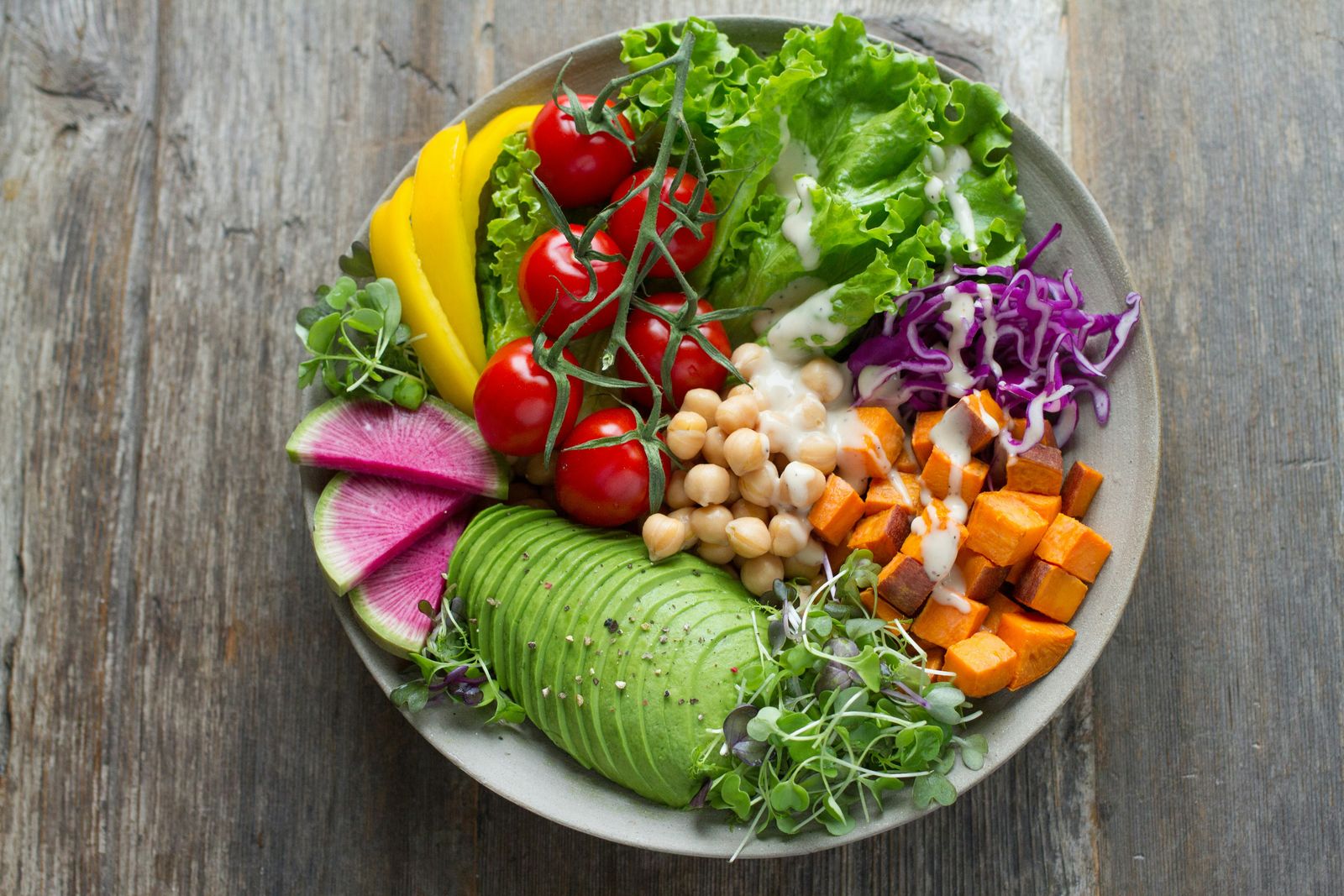
Look at the whole plate
Protein is important, but a meal is more than its protein count. Vegetables and fruit add fiber and variety. Whole grains and other carbohydrate foods help fuel everyday life and exercise. Fats contribute flavor and essential nutrients.
Build from familiar foods
Try rice with beans, sautéed vegetables and avocado; a chicken-and-vegetable sandwich on whole-grain bread; or tofu with noodles and greens. There is no need to make every meal look like a fitness advertisement.
Portion guidance without a scale
A useful starting point is to include a recognizable protein food, plenty of colorful plants, a satisfying starch and some fat. Adjust portions for your appetite and activity. This is a flexible visual guide, not a rule that every plate must follow.
What about breakfast?
Breakfast can be as simple as yogurt, fruit and oats, or eggs and toast. If you prefer a smaller breakfast, you can eat more at lunch. Your whole-day pattern matters.
How to do it this week
Choose three dinners you already enjoy. Add a vegetable to one, a satisfying protein source to another, and a whole grain to the third. Small additions are easier to keep than a complete diet overhaul.
How this looks on an ordinary weekday
Consider your own schedule before changing what you eat. Carbohydrates such as oats, rice and potatoes provide energy; vegetables and fruit contribute fiber; fats add essential nutrients and flavor. Protein matters, but maximizing it at the expense of everything else misses the point. A balanced plate can be dal and rice, bean tacos, tofu noodles or chicken with potatoes. Portions should reflect your appetite, activity and health circumstances. Try improving one familiar meal rather than copying a rigid influencer meal plan. A realistic plan has room for errands, family meals and days when your schedule changes. Think about what you already enjoy, what you can afford and what you can prepare with the equipment you have. A habit that works only on a perfectly organized day is unlikely to last. Choose a small action you can repeat without a complicated shopping list.
Common mistakes to avoid
It is easy to confuse precision with progress. Carbohydrates such as oats, rice and potatoes provide energy; vegetables and fruit contribute fiber; fats add essential nutrients and flavor. Protein matters, but maximizing it at the expense of everything else misses the point. A balanced plate can be dal and rice, bean tacos, tofu noodles or chicken with potatoes. Portions should reflect your appetite, activity and health circumstances. Try improving one familiar meal rather than copying a rigid influencer meal plan. Avoid comparing your plate with a stranger's highlight reel, and resist buying a product before you know which problem it solves. You do not need to compensate for a missed meal with extreme restrictions or a large shake. If you have a medical condition that affects eating or digestion, general advice should not replace individualized care.
A practical experiment for this week
Choose one meal or habit to work on for seven days. Carbohydrates such as oats, rice and potatoes provide energy; vegetables and fruit contribute fiber; fats add essential nutrients and flavor. Protein matters, but maximizing it at the expense of everything else misses the point. A balanced plate can be dal and rice, bean tacos, tofu noodles or chicken with potatoes. Portions should reflect your appetite, activity and health circumstances. Try improving one familiar meal rather than copying a rigid influencer meal plan. Write down what made the change easy or difficult, not just whether you completed it. If your schedule changes, adapt instead of starting over. At the end of the week, decide whether the habit made meals easier, more satisfying or more affordable. Keep what works; drop what does not.
When a supplement enters the picture
Supplements are tools, not a requirement for healthy living. Carbohydrates such as oats, rice and potatoes provide energy; vegetables and fruit contribute fiber; fats add essential nutrients and flavor. Protein matters, but maximizing it at the expense of everything else misses the point. A balanced plate can be dal and rice, bean tacos, tofu noodles or chicken with potatoes. Portions should reflect your appetite, activity and health circumstances. Try improving one familiar meal rather than copying a rigid influencer meal plan. Before using one regularly, consider whether a food-based alternative would be equally convenient. If you choose a product, read its label and look at the full dietary pattern. Be skeptical of sweeping promises. Seek professional advice when illness, pregnancy, medications or unexplained weight changes complicate nutrition.
Questions worth asking
What am I hoping to improve? Is the problem a genuine nutrition gap, lack of time, or pressure from marketing? Carbohydrates such as oats, rice and potatoes provide energy; vegetables and fruit contribute fiber; fats add essential nutrients and flavor. Protein matters, but maximizing it at the expense of everything else misses the point. A balanced plate can be dal and rice, bean tacos, tofu noodles or chicken with potatoes. Portions should reflect your appetite, activity and health circumstances. Try improving one familiar meal rather than copying a rigid influencer meal plan. Would a simpler breakfast, a planned lunch or a more flexible routine help? Do I feel comfortable with my eating pattern, or has it become a source of guilt? The answers should shape your next step far more than a generic target on social media.
A sustainable next step
A good plan is one you can return to after a difficult week. Carbohydrates such as oats, rice and potatoes provide energy; vegetables and fruit contribute fiber; fats add essential nutrients and flavor. Protein matters, but maximizing it at the expense of everything else misses the point. A balanced plate can be dal and rice, bean tacos, tofu noodles or chicken with potatoes. Portions should reflect your appetite, activity and health circumstances. Try improving one familiar meal rather than copying a rigid influencer meal plan. Try keeping two easy meals in rotation, adding foods you enjoy, and allowing room for celebrations and travel. Check progress in terms of energy, convenience and consistency, not only numbers. If your circumstances change, your plan can change too.
References
- Dietary Guidelines for Americans. USDA and HHS.
- FoodData Central. USDA.
- Dietary Supplements: What You Need to Know. NIH Office of Dietary Supplements.
- Dietary Supplements. FDA.
- Adult Activity: An Overview. CDC.
Content is reviewed by our in-house nutrition team and is for general information, not medical advice.