How to hit your protein target without trying too hard
Five small habits that add 30 to 50 g of protein to your day, no tracking app required.
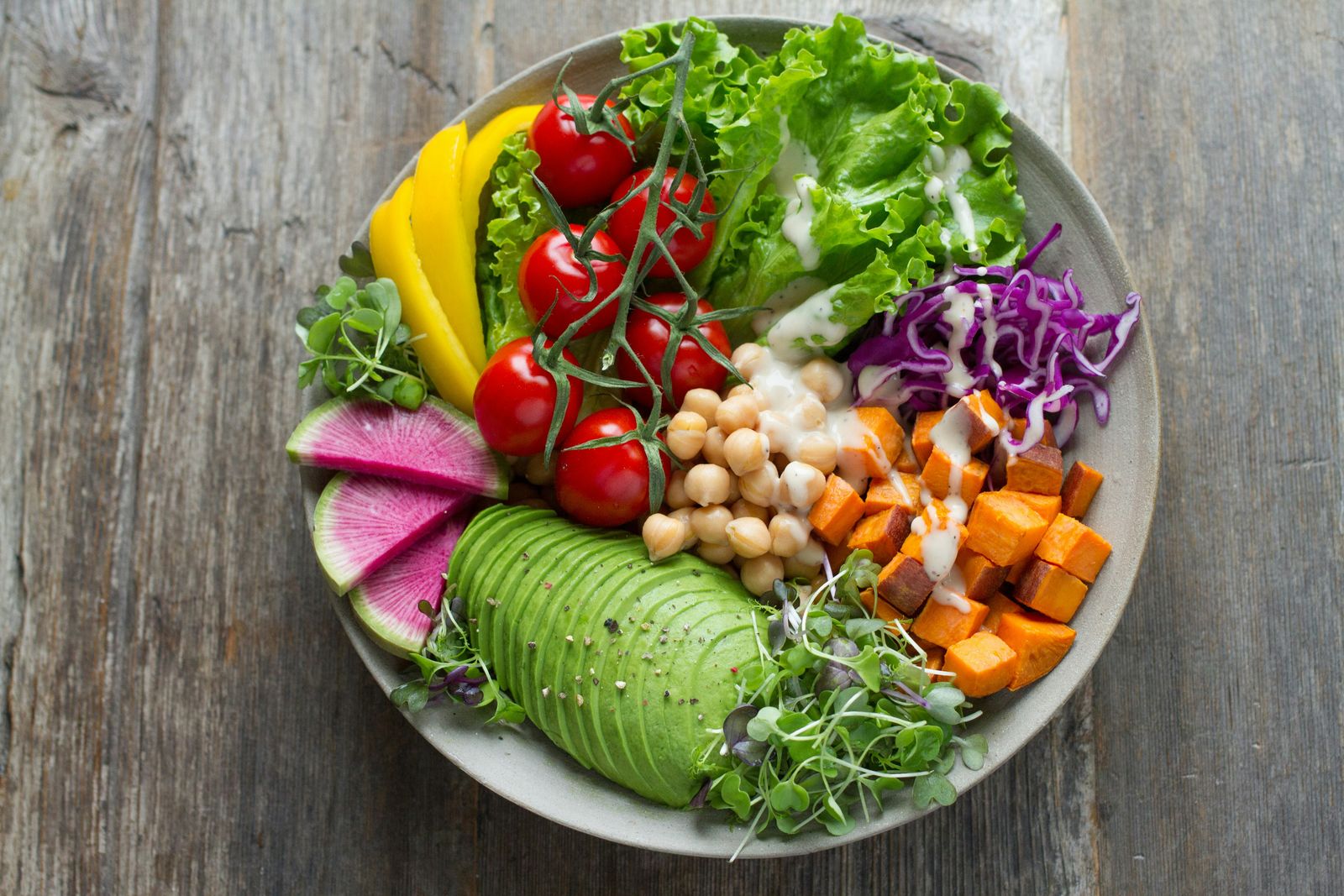
Most people do not need a new diet to eat more protein. They need a few defaults that do the work for them.
1. Fix breakfast first
Breakfast is where most people come up short. Toast and coffee might add up to 5 g of protein. Swap in one of these and you are at 20 to 30 g before 9 a.m.:
- A cup of plain Greek yogurt with berries and a spoon of hemp seeds
- Two or three eggs with a slice of whole-grain toast
- A tofu scramble with vegetables
2. Lead every plate with protein
When you build a meal, pick the protein first: chicken, fish, beans, tofu, eggs or cottage cheese. Then add vegetables and carbs around it. A palm-sized portion of meat or fish, or a cup of beans or lentils, is a good starting point.
3. Make snacks count
Snacks are an easy place to add 10 to 15 g. Good options include cottage cheese, a hard-boiled egg or two, edamame, a stick of jerky, or a glass of milk or soy milk.
4. Keep a protein shelf
Stock a few foods that need no cooking: canned tuna or salmon, Greek yogurt, cooked lentils, pre-cooked chicken, and roasted chickpeas. When you are hungry and short on time, the easy choice becomes the high-protein one.
5. Use a shake when it helps
Protein powder is not required, but it is a convenient way to add 20 to 25 g when time or appetite is short. Compare options by cost per 20 g of protein and look for third-party testing.
How much at each meal?
Research on muscle building suggests aiming for a solid serving of protein at each of three or four meals rather than saving it all for dinner. For many people, that means about 25 to 40 g per meal.
What's your go-to breakfast protein?
References
- How much protein can the body use in a single meal for muscle-building? Implications for daily protein distribution. Journal of the International Society of Sports Nutrition, 2018.
- FoodData Central. US Department of Agriculture, 2024.
Content is reviewed by our in-house nutrition team and is for general information, not medical advice.
Read next