Protein for muscle: how much, and does timing matter?
A research-based guide to protein for strength training: daily amounts, meal timing and when a shake makes sense.
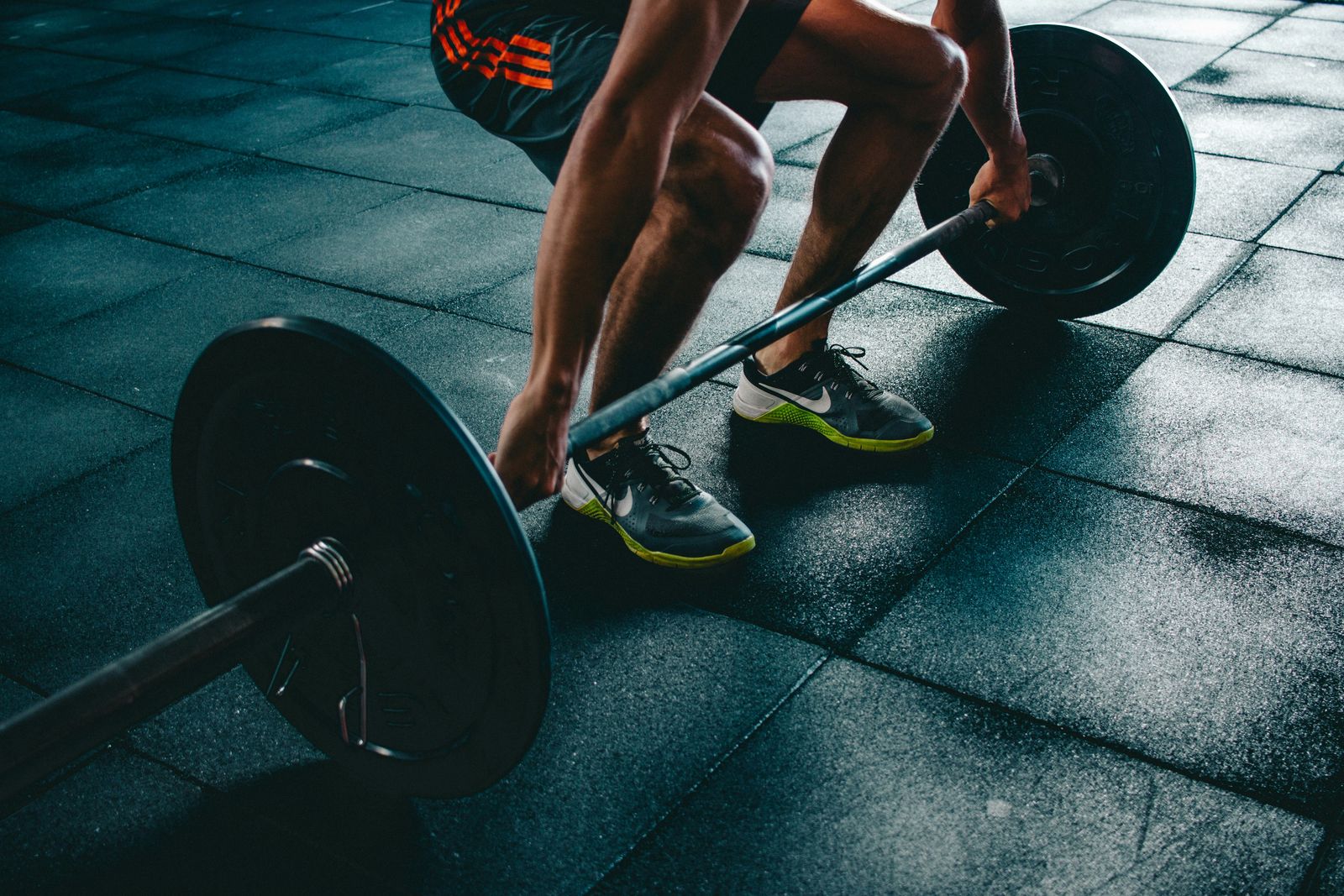
If you lift weights or do any kind of strength training, protein is the building block your muscles need to repair and grow. Here is what matters, in order.
1. Daily total comes first
A large 2018 review of 49 studies found that adding protein boosted gains in muscle size and strength from resistance training, with benefits leveling off around 1.6 g per kg of body weight per day for most people. Some people may benefit from a little more, which is why many experts suggest up to 2.0 g per kg.
2. Spread it across the day
Aim for three or four meals that each contain a solid serving of protein. This keeps muscle building switched on throughout the day and makes a higher target easier to reach.
3. Timing around training is a bonus
The idea of a strict 30-minute "anabolic window" is outdated. Eating a protein-rich meal within a few hours before or after training is a sensible habit. If your next meal is far away, a shake is a convenient bridge.
4. Quality matters
Animal proteins and soy contain all the essential amino acids. If you eat mostly plants, mix sources through the day (beans, lentils, tofu, tempeh, grains, seeds) to cover your needs.
Putting it together
- Find your target with the protein quiz.
- Build three or four meals around 25 to 40 g each.
- Use a shake when life gets busy; compare powders by cost per 20 g.
References
- A systematic review, meta-analysis and meta-regression of the effect of protein supplementation on resistance training-induced gains in muscle mass and strength in healthy adults. British Journal of Sports Medicine, 2018.
- International Society of Sports Nutrition Position Stand: protein and exercise. Journal of the International Society of Sports Nutrition, 2017.
Content is reviewed by our in-house nutrition team and is for general information, not medical advice.
Read next